Curious Kind
A sustainable, ethically produced children’s garment solution
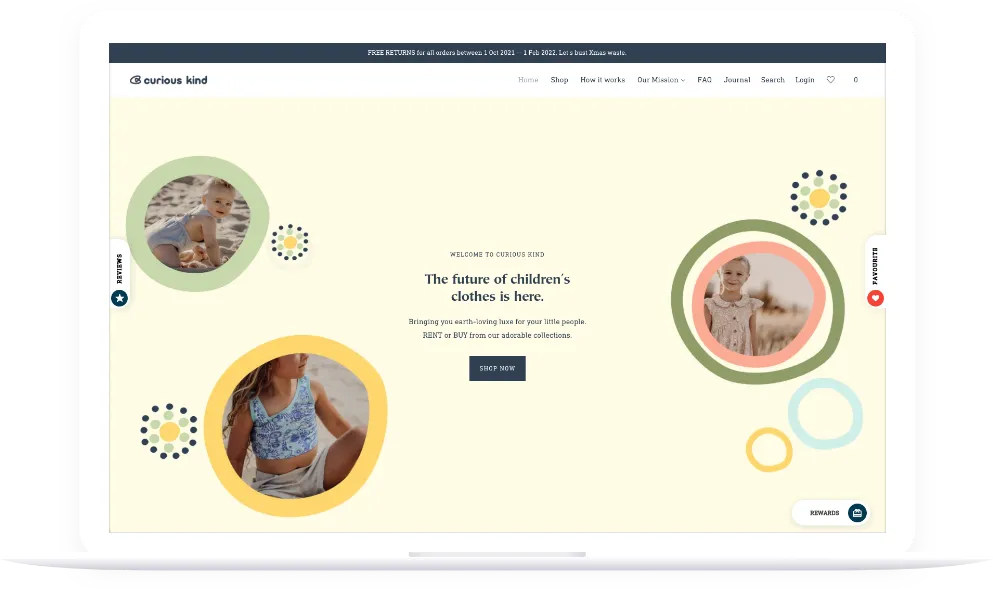

Using design thinking to create a unique business model that aims to keep as many clothes out of landfills as possible. A model that works like hand-me-downs but slightly better.
The Context
The global fashion industry belches out 1.2 billion tonnes of CO2 equivalent per year, more emissions than the shipping and aviation industries combined! And a 2021 report from the World Economic Forum identified fashion, and its supply chain, as the planet’s third largest polluter (after food and construction), releasing 5% of the world’s greenhouse gas emissions.
Libby, a mom of two girls who worked for many years as an environmental scientist, became obsessed with how unsustainable our current consumption of clothing has become. Curious Kind is her journey to find an innovative way to dress children in beautiful clothes that are kinder to the environment and the people making them.
My Role
As a product designer, I used design thinking to turn the complexities and problems at hand into clearly defined business solutions. I created a design system to collaborate with a Shopify designer and product owners to help scale the product with a consistent experience.
Understanding
The Problem
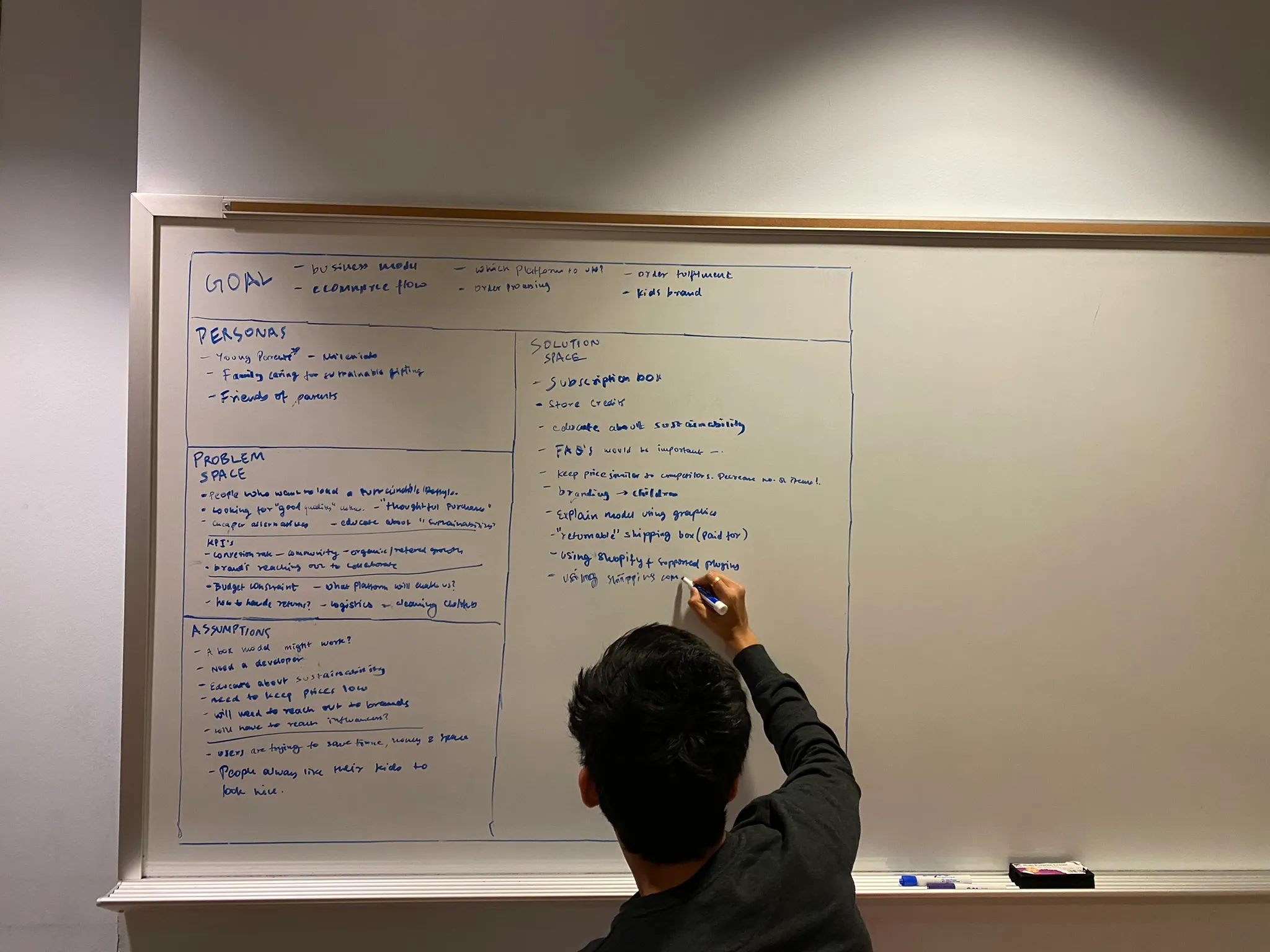
We began the project with only one criterion: “creating a sustainable fashion brand for children”. It was up to me to set specific, measurable and achievable objectives before we started designing the product. I facilitated a whiteboarding activity for this, which allowed us to discuss the issues that arose and consider a variety of solutions. It also helped us build team confidence and aligned us around the goal we're chasing and the challenge we're tackling together.
Design Challenge
How might we create a brand that gives customers an affordable alternative to buying fast fashion for their kids, while keeping it truly sustainable?
Process
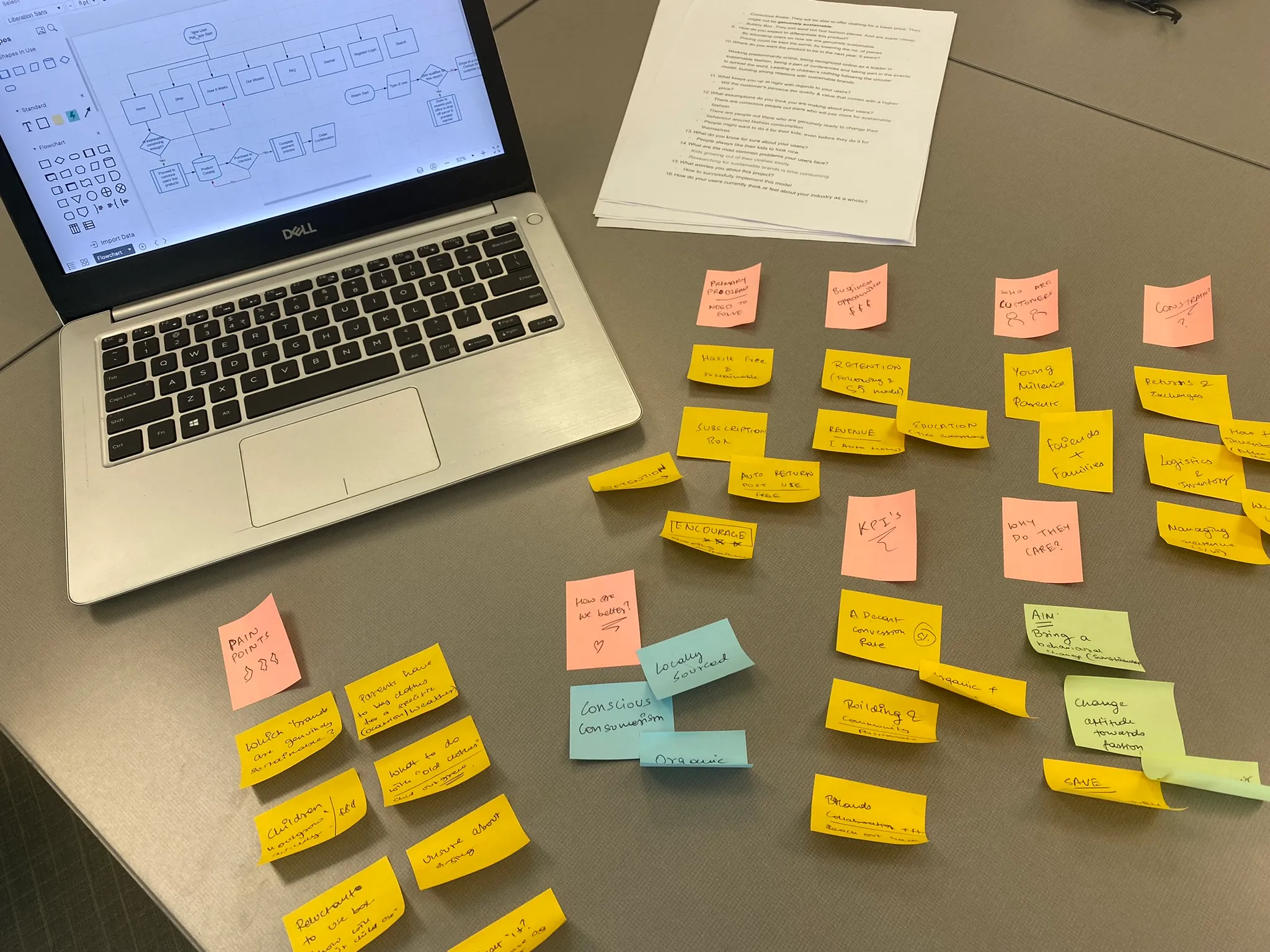
Empathize, Define, Ideate, Prototype, Test. Embracing the design thinking method, questioning my decisions and going back and forth to iterate. Time being an important parameter, I used agile methods to act quickly and create strategies to deliver the desired content at each step of the process.
Secondary Research
Sustainability is not a new concept; I've witnessed my parents passing down items to my cousins or just donating them in the hopes that someone in need will benefit. While this gives them a nice feeling, statistics have shown that 70% of donated clothing ends up in landfills.
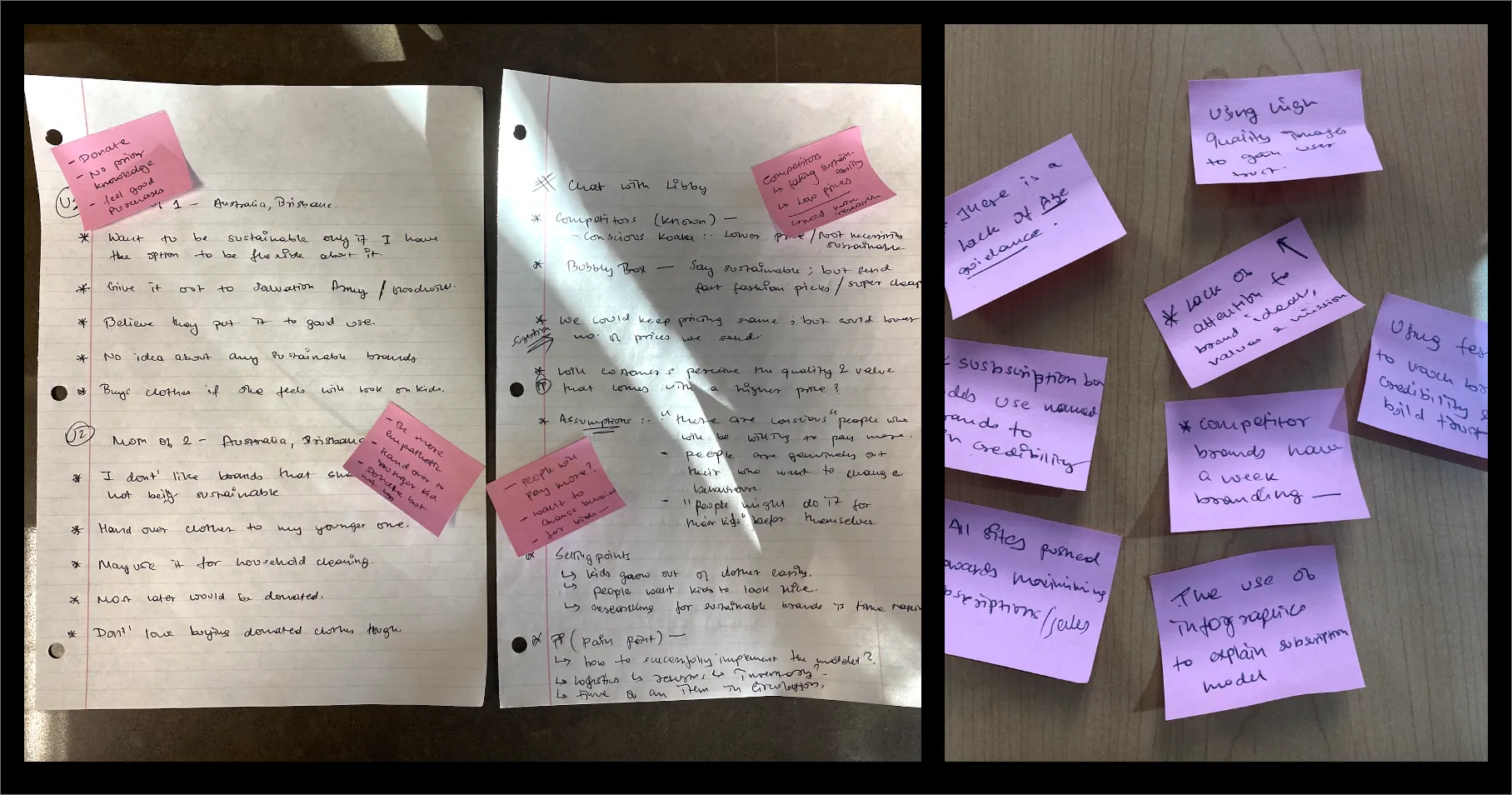
My aim with the secondary research was to understand the mental models of my friends, families and stakeholders around sustainable fashion. In addition, my secondary research tried to acquire information from businesses in a space similar to ours.
Primary Research
Surveys
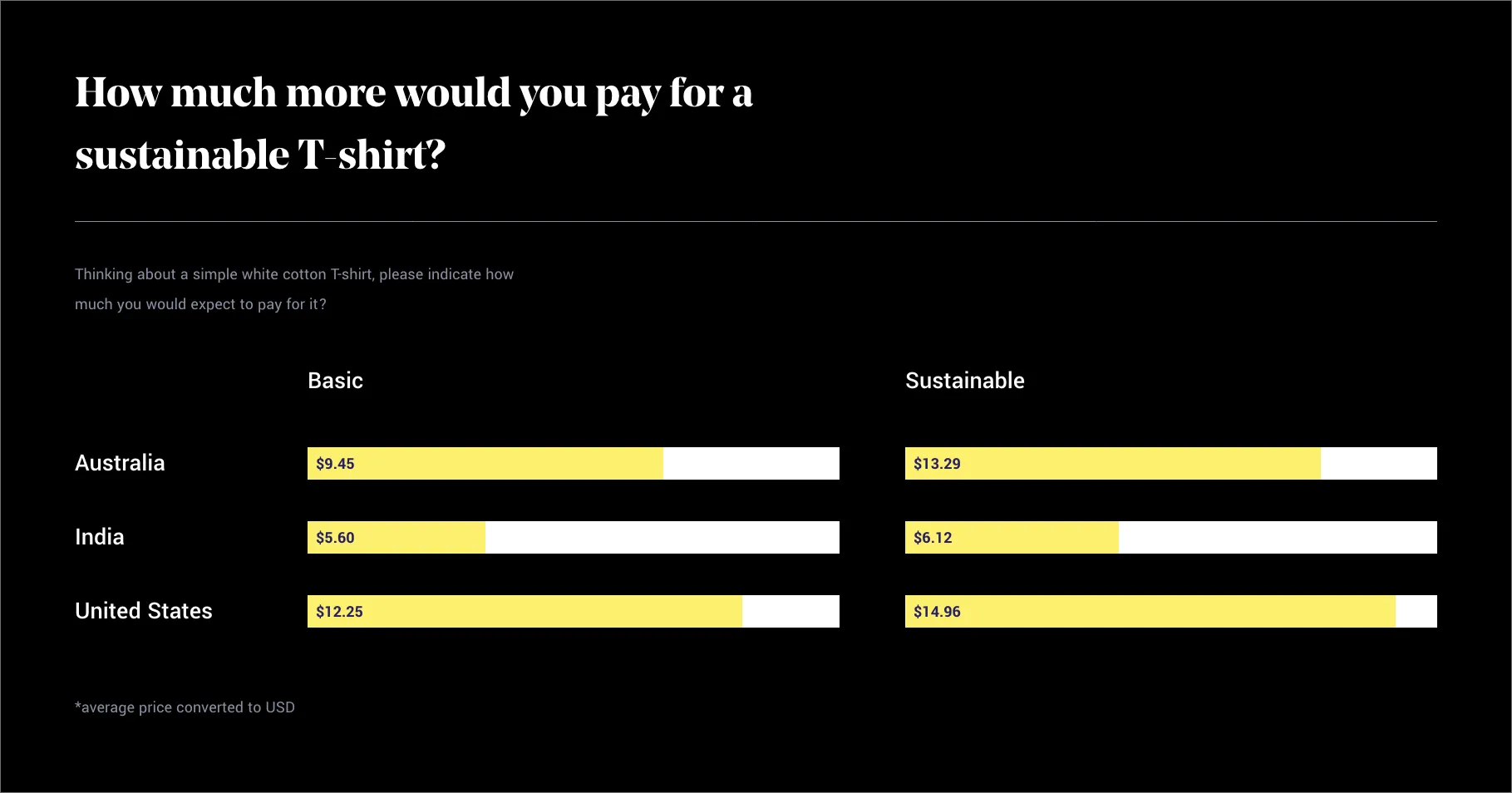
I posted an online survey to primarily determine how well people were informed about sustainability and how much they cared about it when making fashion choices. The survey was very conclusive. I received 54 responses from people living in Australia, India and the United States aged between 25 and 38 years. This is what I learned:
- 68% wanted to make more sustainable clothing choices, but they gave into what’s more convenient.
- 79% were interested in purchasing so-called “sustainable clothing,” but didn’t know how or where to find sustainable clothes.
- Over a third (36%) said, “If there was a store for sustainable clothes, I’d do all my shopping there.”
- Nearly 4 in 5 (82%) believed sustainable clothes are priced significantly higher than their fast fashion counterparts.
Consumers want to make better choices, but they’re confused about what makes clothing sustainable and how or where they could find affordable options.
Interviews
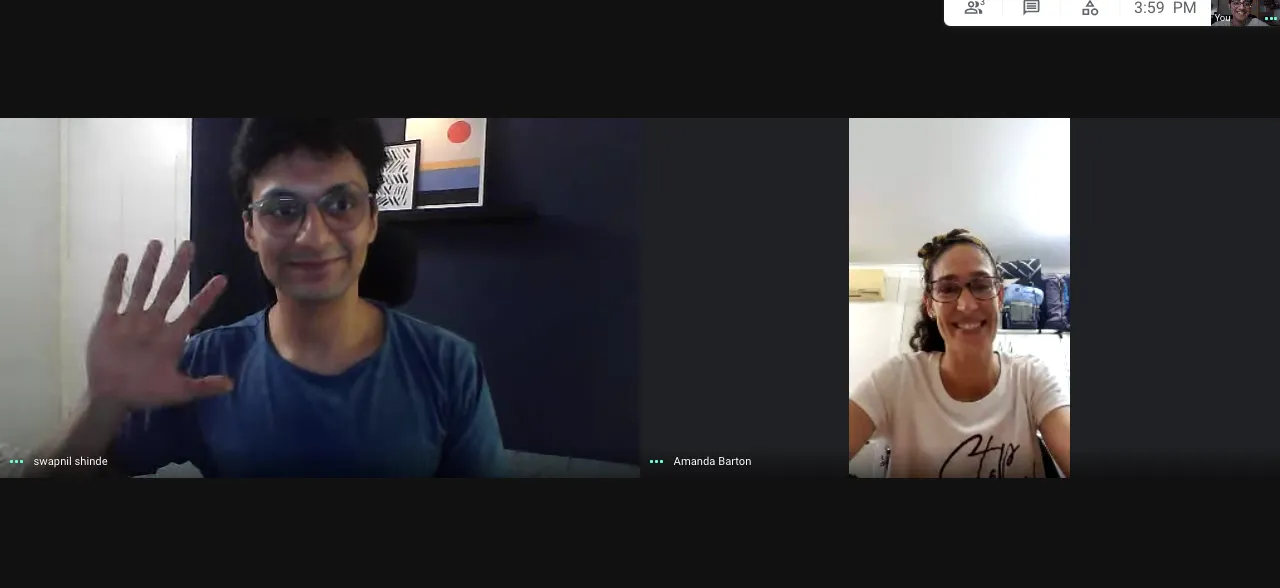
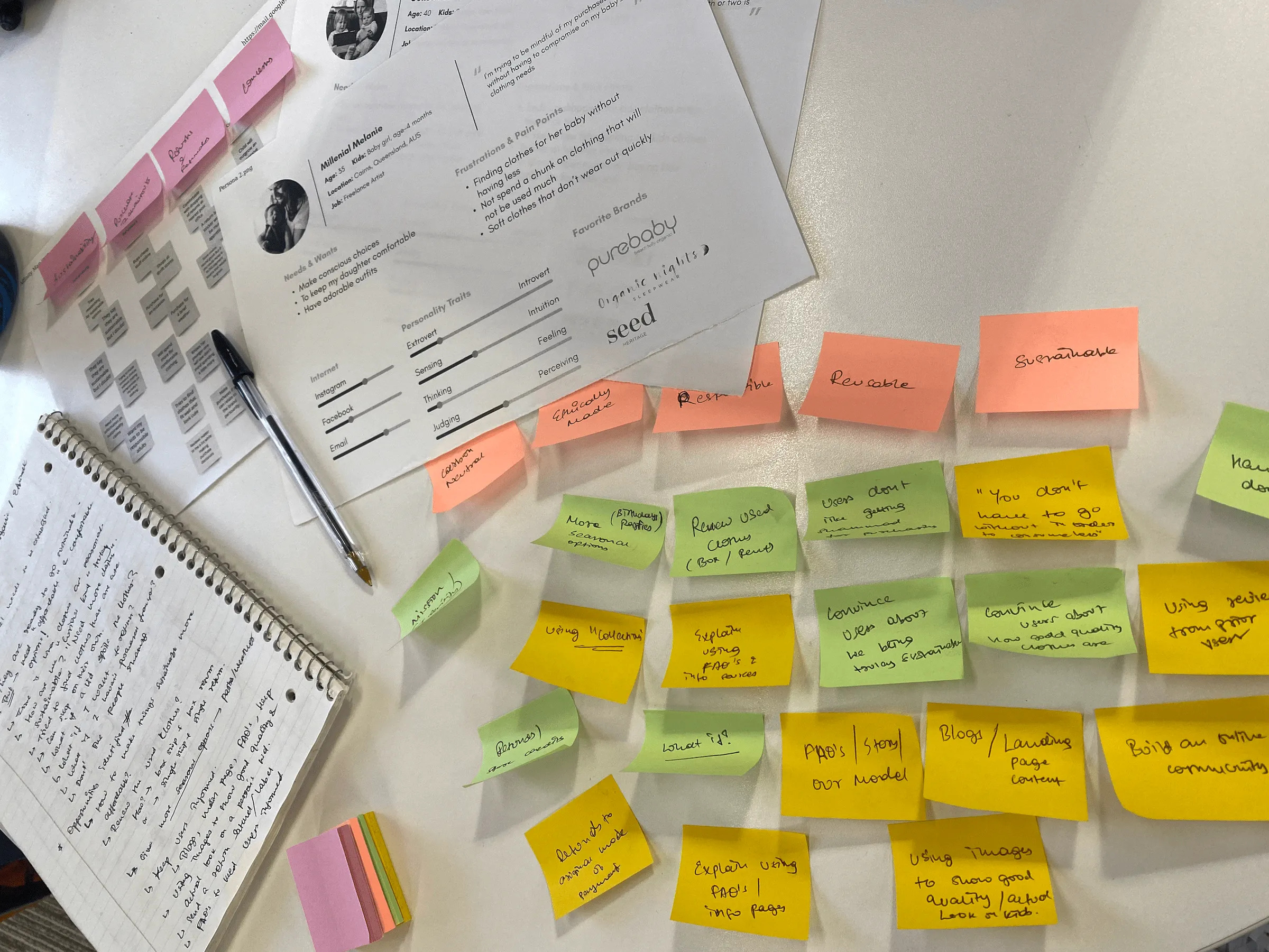
I quickly reached out to experts and users familiar with the sustainability domain. To gain more knowledge, I interviewed Carolyn Butler and Steve Pascoe, a slow fashion advocate and a green tech expert respectively. Besides that, we spoke to three working and two stay-at-home mothers with kids aged 3 to 11.
We were looking for answers to the following main questions:
- Concepts of circular fashion, slow fashion, and sustainability in general.
- Questions to understand their goals, frustrations and habits.
- Questions that revolved around current market trends and needs.
- Understanding user willingness to invest time and effort into making conscious choices.
Opportunities Identified
For Curious Kind's model to function, we found two ways to approach it:
Subscription Box Model
Where users fill in a questionnaire and receive a customized box of clothes for their children. After the first order, they can either return the clothes, continue the subscription with the same clothes or swap them out with a new box.
Problems identified:
- Users would have to return all of the box items every time they needed to swap.
- There would be an overhead charge if they kept the box, which we saw as producing an accounting burden.
- Manpower would be in short supply for a small business like ours to serve users in a timely manner.
- According to user interviews, users disliked box subscriptions, because some of the things they purchase are never used.
Rental Model
Where users would be able to shop for clothes either at full price or rent & save a percentage.
Problems identified with this model:
- Due to a limited budget, we decided to use Shopify to manage the finalized ecommerce site.
- There was no rental plugin on Shopify that matched our needs because of our indefinite lease styled model.
Little Loop Program
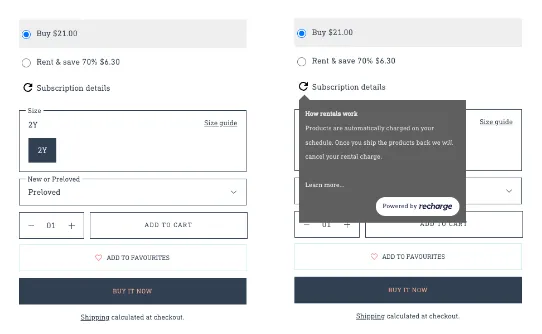
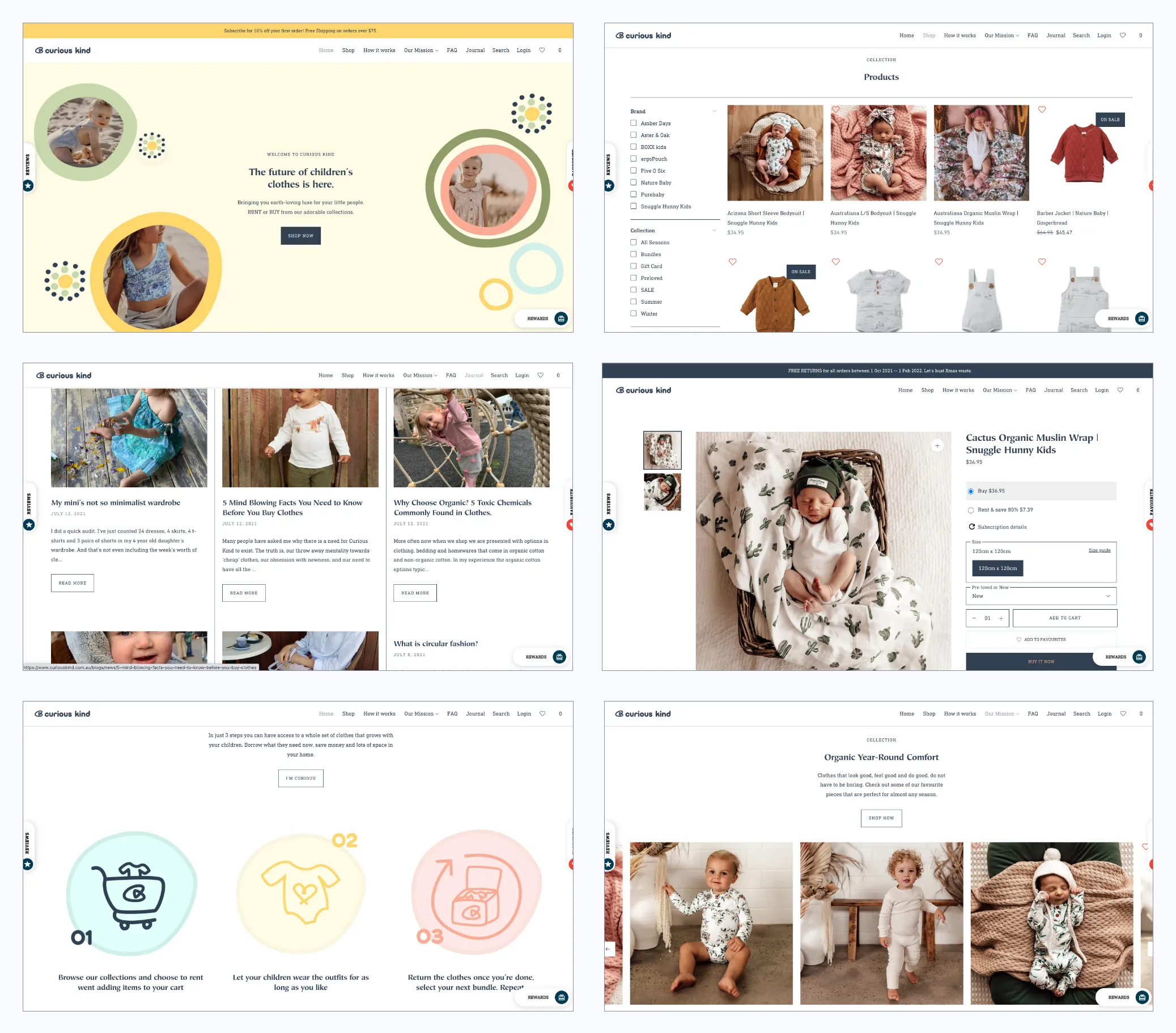
We devised a model, which we called the “Little Loop Program”. It is a cross between subscriptions and rentals. It allows consumers to browse for both new and used clothing, which they can then purchase outright or rent out and save a percentage of the cost.
Due to the budget constraint, we used a Subscribe & Save plugin that was customized to read like a rental plugin. It allowed us to bill customers on a monthly basis, similar to a subscription plugin, while also allowing us to cancel the subscription once the user returned their items.
Design Kit For Scale
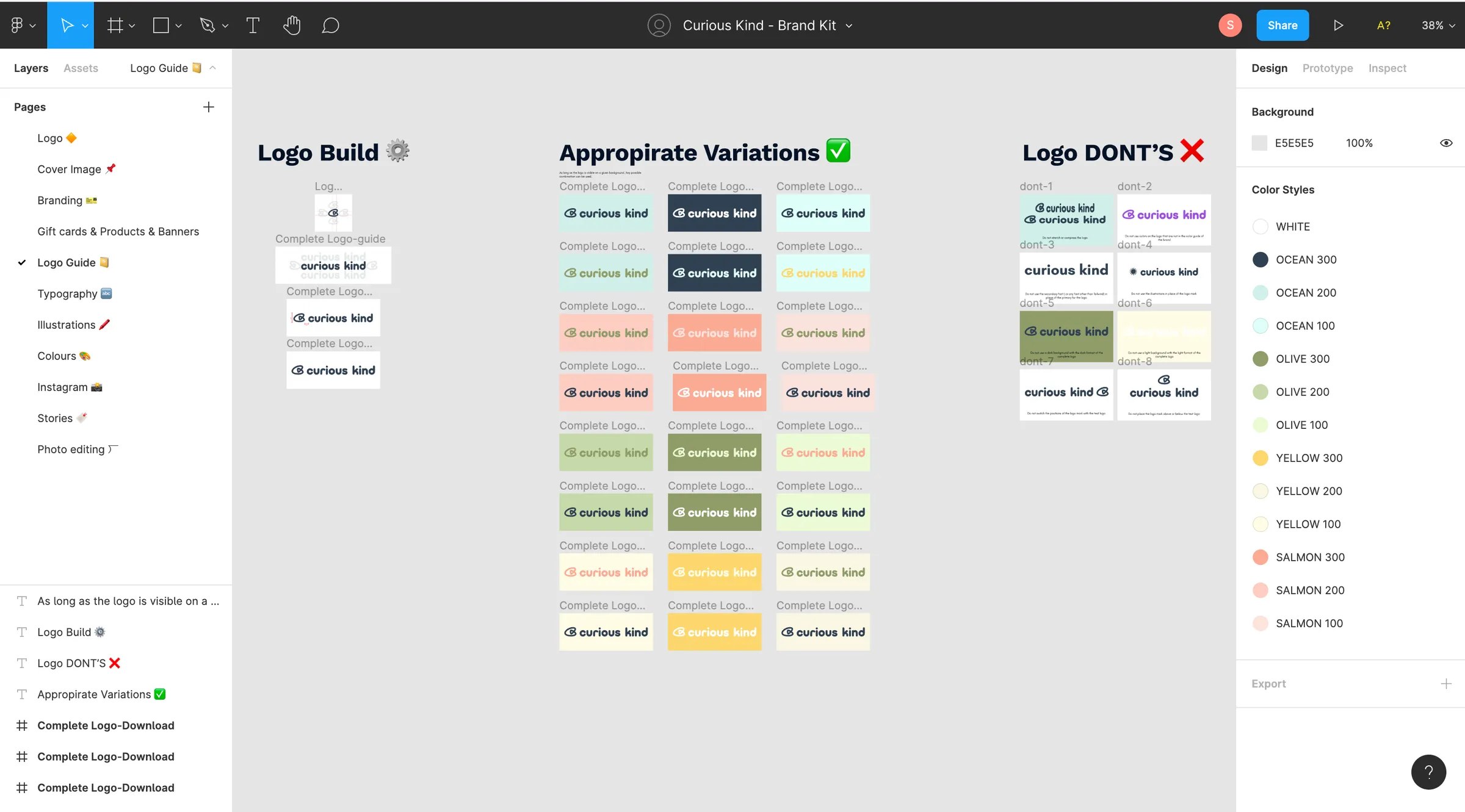
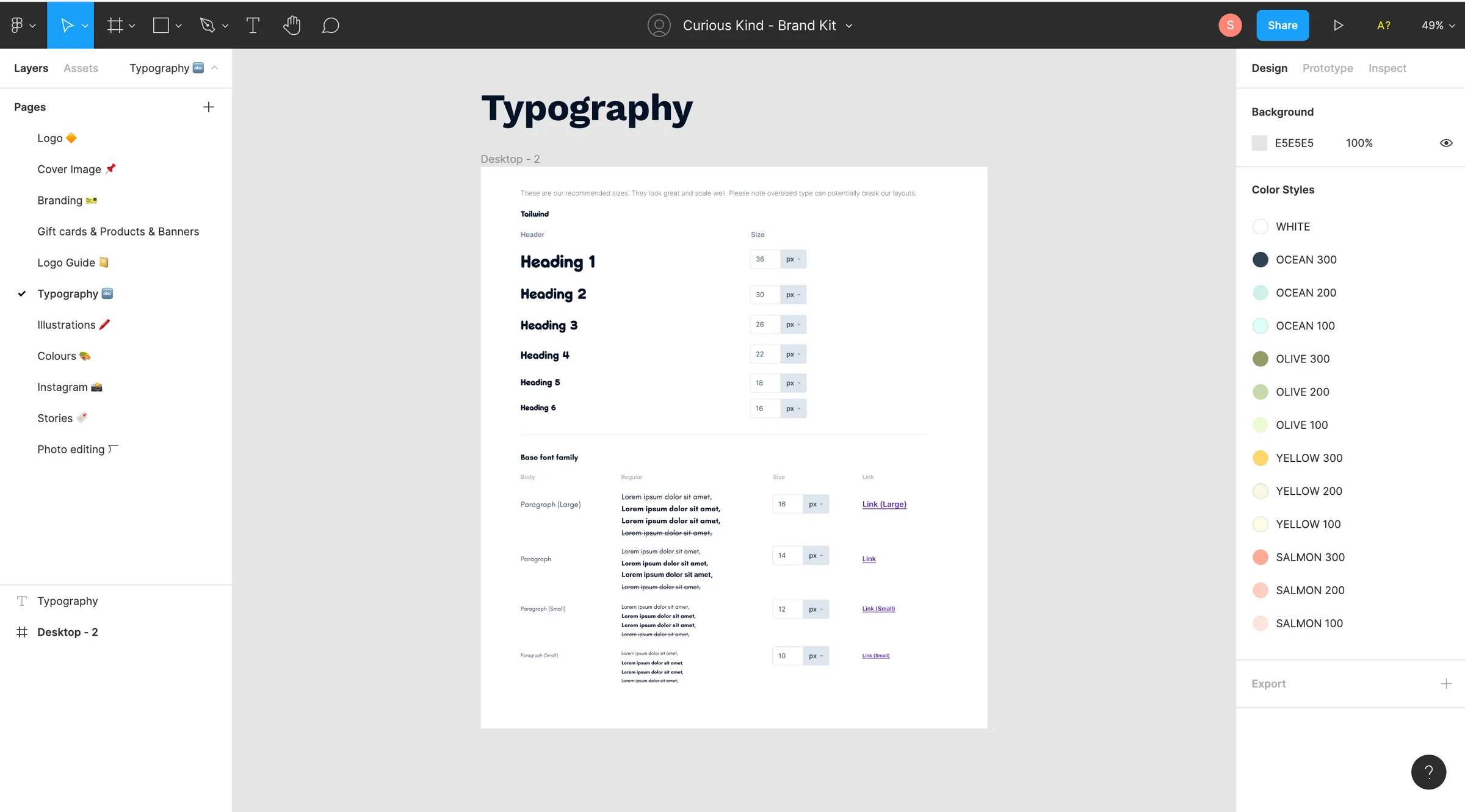
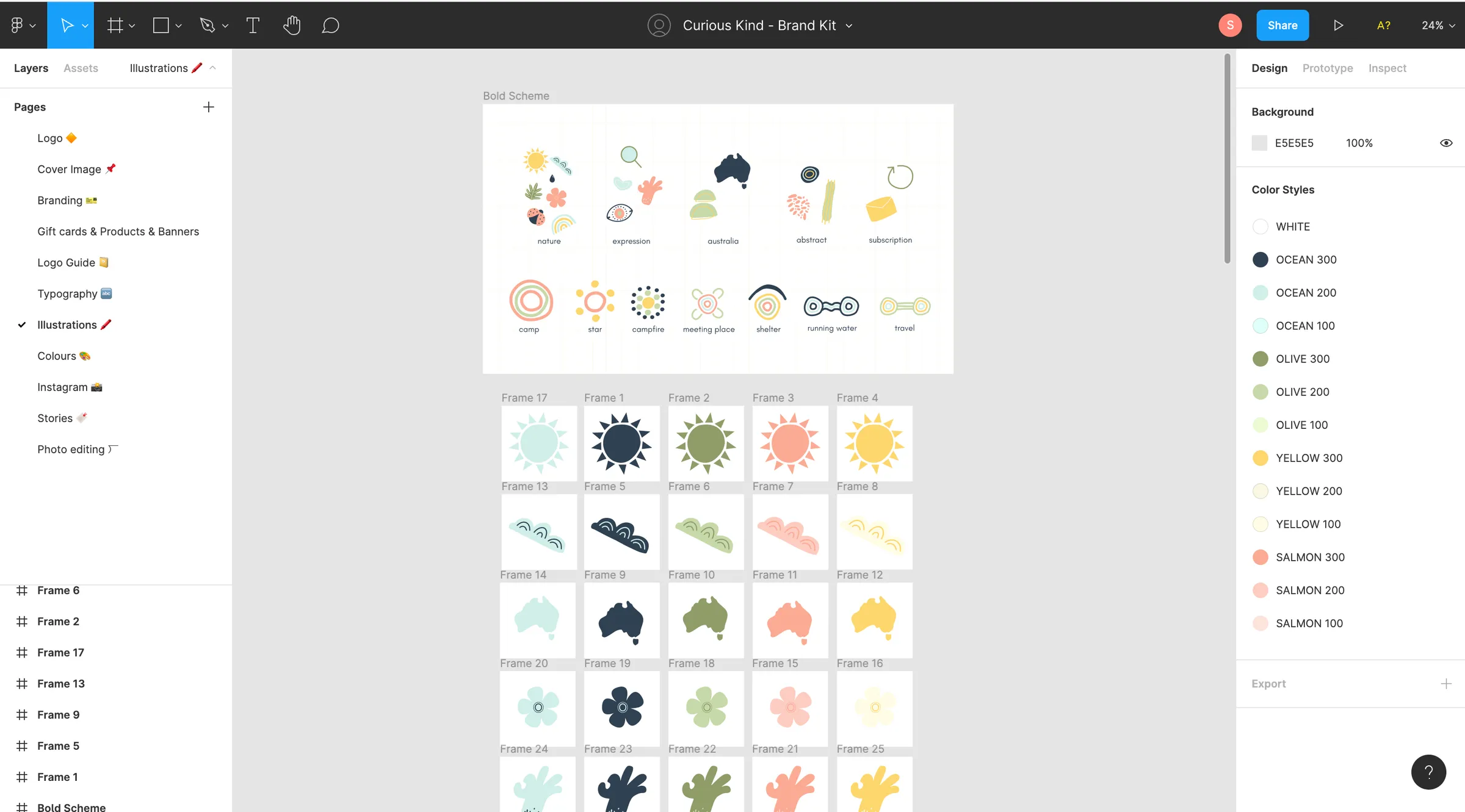
The design kit was a key element to streamline the design and dev process, as the product was built with the intention of handing off to our client in Australia. A single source of truth was needed to streamline collaboration.
Learnings and Insights
01Think + Create + Check
Working with short feedback loops and intense collaboration with stakeholders and users made the progress very much apparent at the end of each iteration. It ensured that assumptions would become certainties quickly and made “pivoting” a natural part of the process.
02Speaking the Same Language
The benefits a design kit brought to our workflow are countless. One of my favorite benefits is that having a common product language encouraged collaboration and prevented misunderstandings after the handoff.
03What More Could Have Been Done
I recognize that the model used was not ideal. It required a large amount of backend work from the stakeholders. Especially with processing returns, initiating refunds, and estimating inventory based on tentative returns.
If we had a bigger budget, we could have developed an independent Shopify plugin. We could have used a stand-alone framework like React to create our website.